

- Additional information
- Description
Additional information
| Size | #6, #8, 3/16″ (#10), #12, 1/4″, 5/16″, 3/8″, 7/16″, 1/2″, 9/16″, 5/8″, 3/4″, 7/8″, 1″, 1-1/8″, 1-1/4″, 1-3/8″, 1-1/2″, 1-5/8″, 1-3/4″, 1-7/8″, 2″, 2-1/4″, 2-1/2″, 3″ |
|---|---|
| Material & Finish | Plain, Zinc, Grade 8, Yellow Zinc, HDG, Stainless, Stainless 316 |
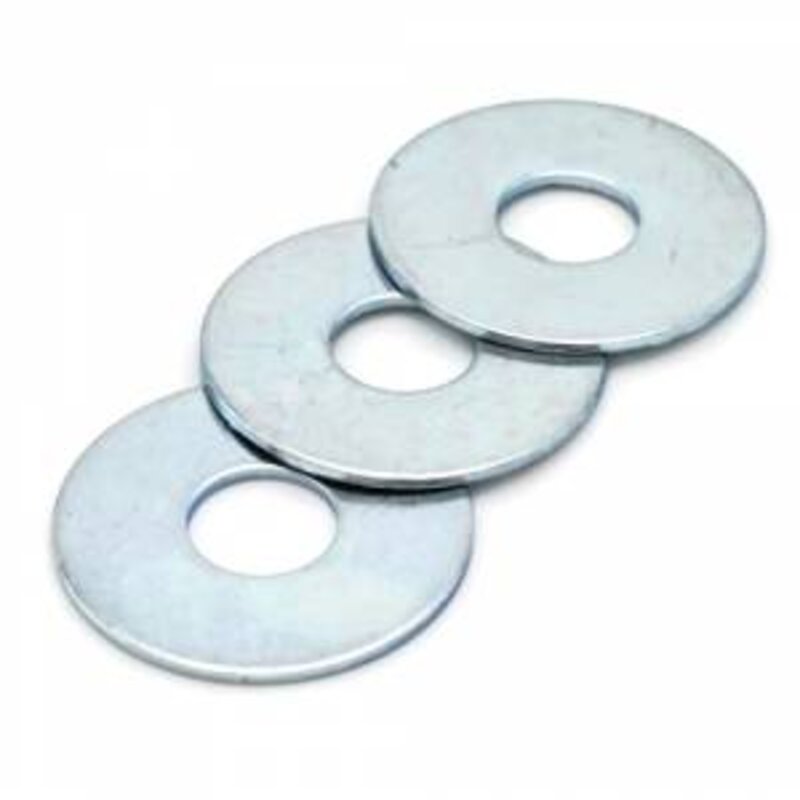
The purpose of a lock washer is to prevent nuts and bolts from turning, slipping and coming loose because of vibration and torque. Split lock washers are helical-shaped split rings. When fastened, the two ends exert a spring force on the fastener to create increased friction and resistance to motion. Helical spring lock washers are the most common form of lock washer.
Related Products
-

 Read MoreQuick View
Pro-Tect System for Pool Enclosures
PRO-TECT Fastener Protection System consists of a nylon sleeve and a cap that, together, cover and protect the anchor screw. The PRO-TECT nylon sleeve gives protection from electrolysis, providing worry-free installation while extending the life of the product. This is very important for the harsh conditions of the coastal environments and extreme temperatures.
The PRO-TECT cap snaps onto the top of the nylon sleeve, covering the head of the Blue-Tap anchor screw. Due to its special design, the cap will not come off easily. Caps are available in White and Bronze.
By repelling water and preventing penetration, PRO-TECT reduces or eliminates the need for warranty work, increasing life expectancy of the structures. -

 Read MoreQuick View
Mro Thread-Locker, 50ml Bottle
MRO Solutions thread-locking products are anaerobic compounds formulated for sealing, joining, fastening, retaining, and generally locking together metal components. Unlike other thread-lockers, MRO compounds are non-surface sensitive, so they do not require use of primers for curing.
Once parts are mated with MRO thread-lockers, they form a unitized assembly that resists vibration. In addition, the mated parts are sealed against attack from corrosion, internal rust, seizure, solvents, gases, and other chemicals. -

 Read MoreQuick View
Set Screws, Cup Point
Set Screws are essentially a headless bolt, which has a hex socket in the driving end. They are commonly used when a protruding head would be in the way of other moving parts. Their most common function is to secure two parts together, but without a pre-determined positioning point between them. A prime example is fixing a pulley wheel along a drive shaft, where the set screw in the wheel’s hub is tightened into the side of the drive shaft and holds them tight due strictly to friction.
Set screws are available either as a black hard steel alloy, or as stainless steel.
Because of its headless shape, and how it bores through its hole, a set screw is also known as a “grub screw”.
-

 Read MoreQuick View
Wing Nuts
Wing nuts are a type of specialty nut with a pair of wings to enable it to tighten without tools. The wings provide a grip for the thumb and finger for turning. They are commonly used where frequent adjustments or removals are needed, and can be made quickly at a later stage.
An alternative form of the wing nut has a washer built in, and is used to storm-proof the windows of a building. This washer face allows the wing nut to be used to secure plywood onto fixed anchors, where the hole in the plywood will be larger than the anchor studs it and the wing nut are being mounted on. This provides the advantage of having a larger surface bearing the pressure, while also eliminating the need of a separate washer that will often fall and get lost during storm-prep installation. -
 Read MoreQuick View
F-Track Bolts
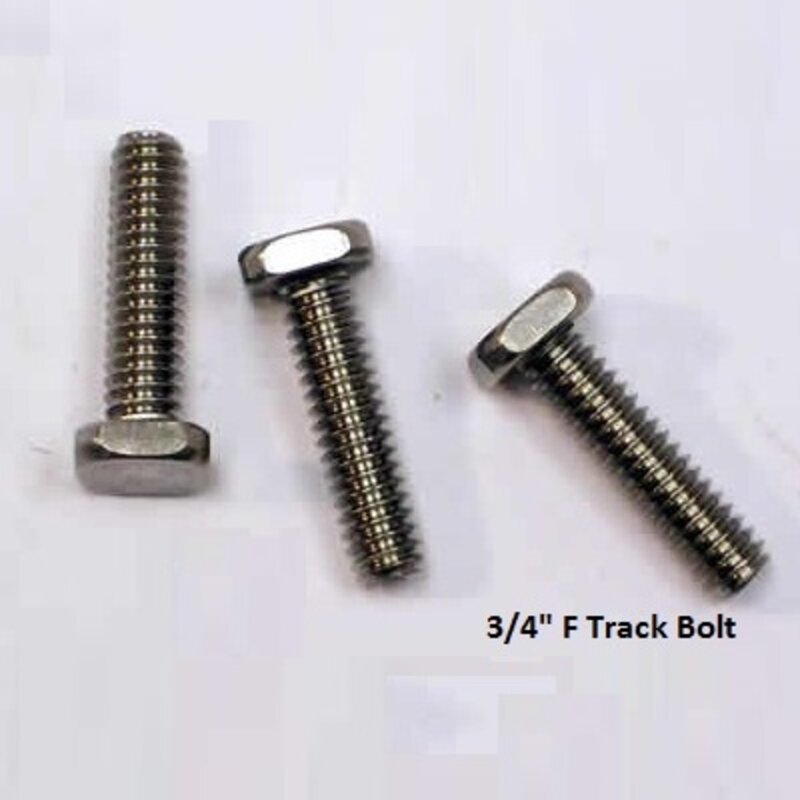
The square head of these F-Track Bolts fits perfectly into all flat and angled storm panel F-Track.
-

 Read MoreQuick View
T-Nuts
T-nuts are barrel shaped fasteners with internal threading, and are used to provide an anchor point for a bolt in a piece of wood, whether a flat board or a dimensional piece. They are especially useful when a flush surface is wanted. T-nuts have a flat base with prongs bent up at 90° angles, parallel to the barrel. After pre-drilling a hole, the t-nut can be fixed in place either by tightening a bolt into it from the top, which pulls the prongs into the wood, or using hammer to pound the locking prongs into the wood until flush.
-
 Read MoreQuick View
Hex Nuts
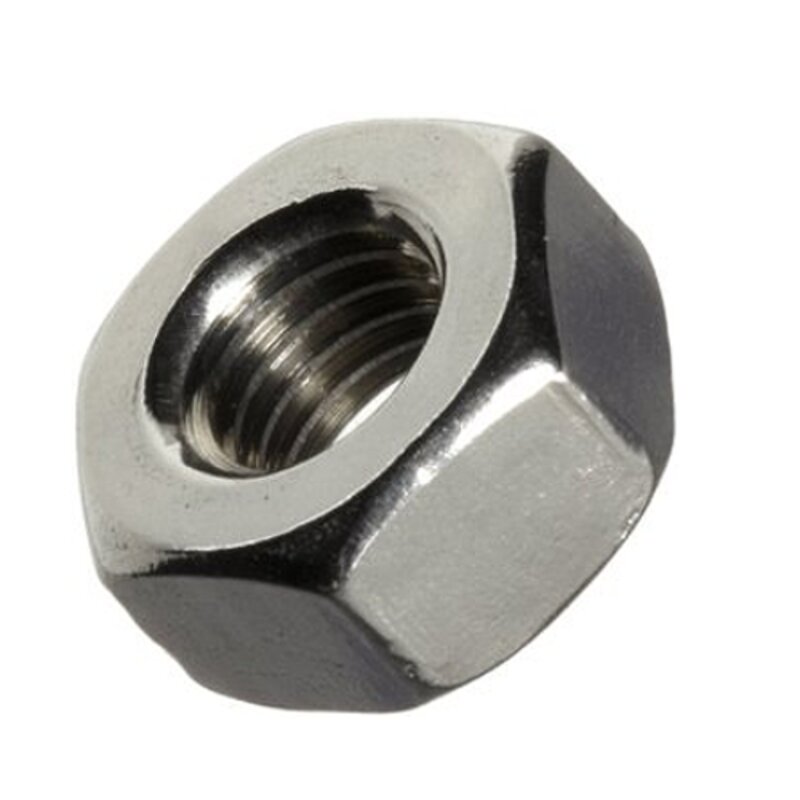
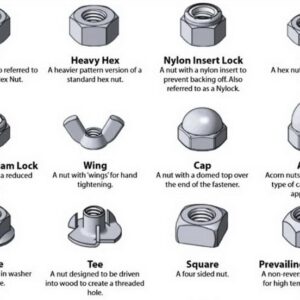
Hex nuts in all their forms are widely used in construction and manufacturing. There are many different styles of hex nuts, including finished hex nuts, acorn nuts, lock nuts, and heavy hex nuts. They are available in many different grades of metal, with different finishes, and with coarse or fine threads. Choose from the options below to find the right hex nut for your project.
Note: The Coupling Nut – Reducing items use the Inch – Special option because they have two sizes of threads.
-
 Read MoreQuick View
Square Nuts, Zinc
As the name implies, square nuts have a 4-sided, square design. This square profile provides a greater bearing surface when installing onto a bolt. Square nuts are designed for use with square headed bolts, and the large surface provides better resistance to loosening. When using square nuts, as with hex nuts, use flat washers of the correct size and material.
-
 Read MoreQuick View
Square Plate Washer
Square plate washers are made from low carbon steel and have a larger surface area than round washers. Since they develop more friction when tightened against wood, they are often found in timber construction.
Often, square plate washers are used to attach treated lumber sill plates to concrete foundations. Another common use is using square plate washers to attach wood beams to the walls of a garage, and them mount the garage door rails and equipment. -
 Read MoreQuick View
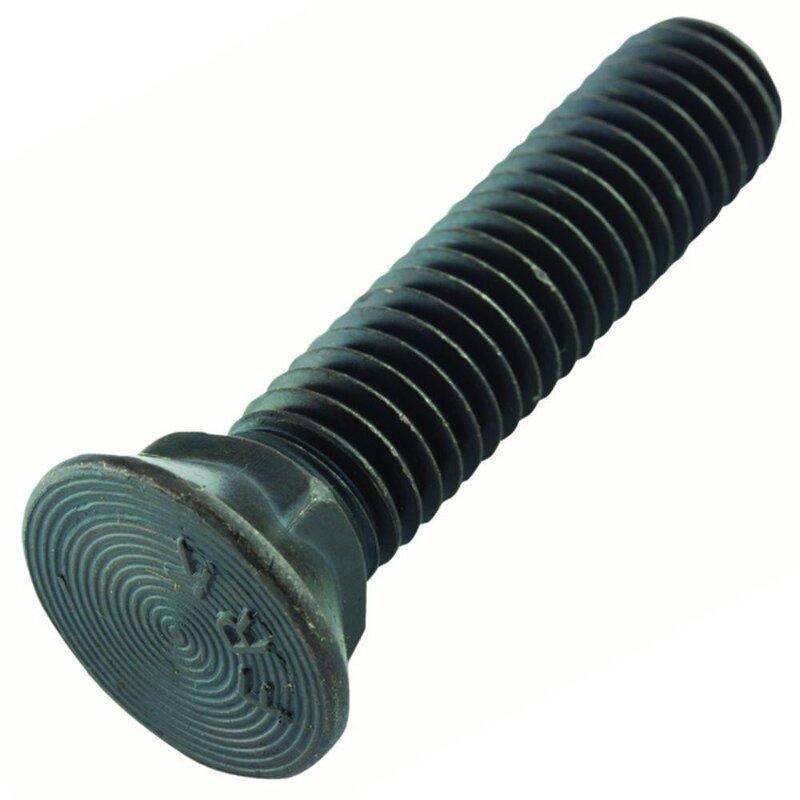
Plow Bolts
Plow bolts feature a countersunk, flat head, square neck, and unified thread pitch. They are commonly used in road graders, scoop shovels, and other heavy-duty industrial equipment where a flat, smooth surface is required. Grade-5 plow bolts are made from a medium-grade, heat-treated carbon steel, and have a plain finish.